
This “page” takes the form of a notebook. Here you will find a mix of progress reports, commentary, and an occasional sample from various works/projects in progress. In these eclectic pages you will find a mix of observations and the occasional confession:
November 2026:
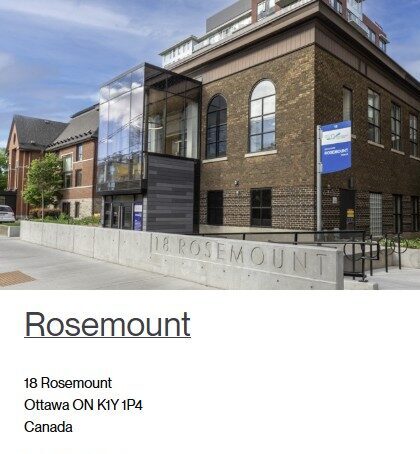
In addition to ongoing editing work on various manuscripts (memoir, fiction, non-fiction), as well as work on reports and research documents, I continue to plough my way through three volumes of my own fiction. With any project I use these services:
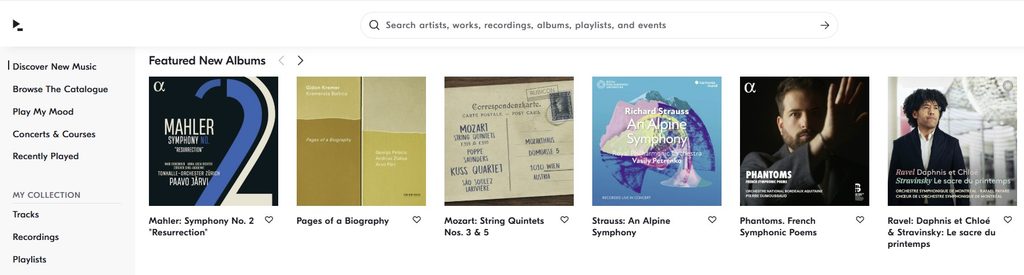
I also spend a lot of time in the company of Idagio, the revitalizing classical music streaming service.
A “big” project
In the past few years I have been working on an editorial contract with this very important and innovative apprenticeship-based initiative. I single it out for this Current Projects page because it relates to one of the most significant currents project in Canada – the way that nationally significant “big projects” will transform our economy. These projects also place a whole new set of demands on how tradespeople and journeypersons are trained and hired.

Time for some music?
Researching music in Germany in the early 17-hundreds for the first book of my fiction trilogy, I came across some surprising and beautiful music by two composers, one whose name I recognized but whose music I had never heard, and the other was a new discovery. Both of them wrote operas that were premiered in Frankfurt’s Theatre am Gänsemarkt. Reinhard Keiser’s 1710 opera has a long title: Der hochmütige, gestürzte und wieder erhabene Croesus (The Proud, Overthrown and Again Exalted Croesus) and contains this luscious aria in German as the love-forlorn Elmira begs cupid to intervene on her behalf. Although she is in love with Atis he seems indifferent to her.
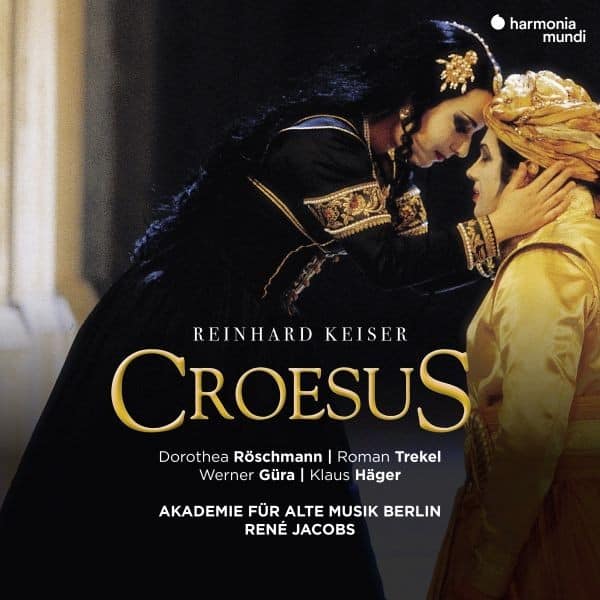
In another era this would be a much-covered, giant love-ballad hit. Yes? Listen to it in this YouTube audio clip:
https://www.youtube.com/watch?v=YnUndVO2yWg&list=OLAK5uy_nRiK17IohbD8ksI8tQsuzWNpbHevkbmTM&index=46
Also in 1710 (evidently, a very good year for opera in Hamburg) Johann Mattheson, who was very influential in the early years of Georg Frideric Handel’s career, wrote a playful version of Boris Goudenow . Playful? Yes. This is not the angst-ridden Russian version that appeared more than a century-and-a-half later, but a much lighter take on the rise of an accomplished, wily political manipulator. Incidentally, many operas in those early Baroque years were imported and adapted from Italy. Many “flip” between languages from time to time, as both examples show. In these operas, after long stretches of singing in German, the characters suddenly belt it out in Italian. Both clips are sung in German.
Although acts 1 and 2 deal with confusion and uncertainty, by act 3 the great manipulator has brought everything back together and all the mixed-up couples are, finally, reconciled. Here is a 7-minute musical clip with German lyrics that will have you swinging and singing along, even if you don’t know the words – which more-or-less say something like this: “When Love finds constancy, happiness will be yours…Every grieving loving heart will, at last discover the sweet pain of true love.…Through as secret attraction we find a wonderful, beautiful pleasure in a love we do not name, a love that will reward all our efforts….My heart has discovered true love in my beloved….Pleasure, luck, and love join together in the sweetest of unions. Let love shine its light on us, bring delight to our hearts and remain with us forever.” Incidentally, many operas in those early Baroque years were imported and adapted from Italy and many of them “flip” languages from time to time, as these two examples show. Both operas have moments when after a long stretch of singing in German, the characters suddenly belt it out in Italian. This is finale is all German.
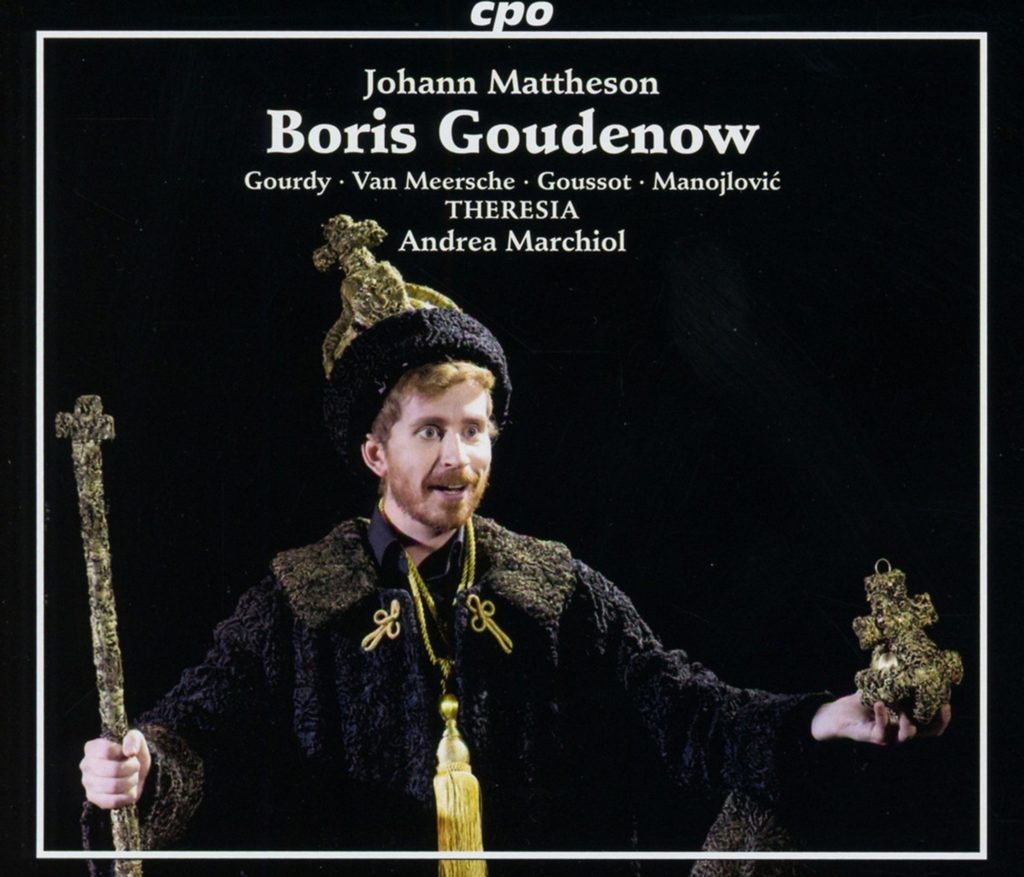
https://www.youtube.com/watch?v=M5t2xx6Q_jQ